HR Strategy or Note Takers

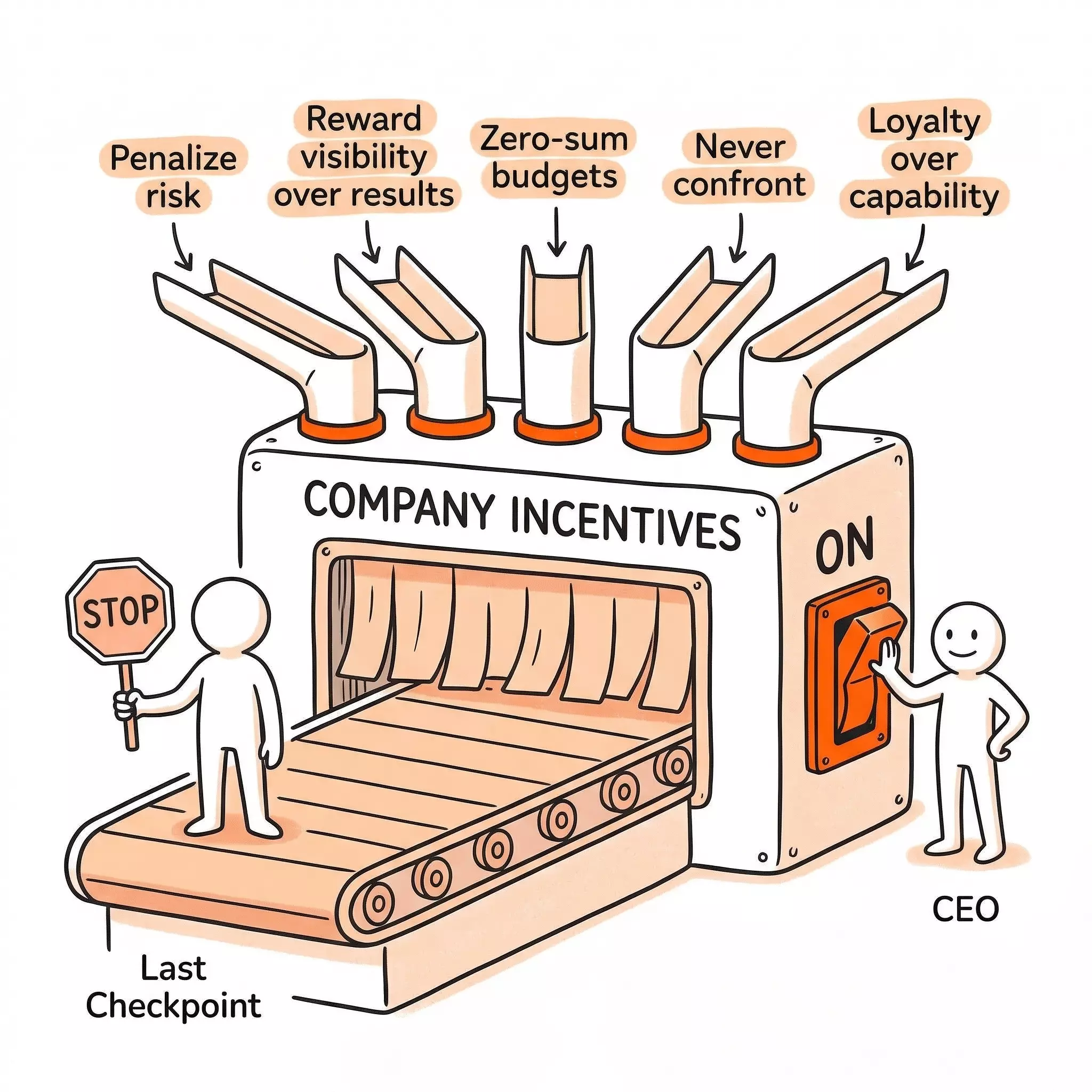
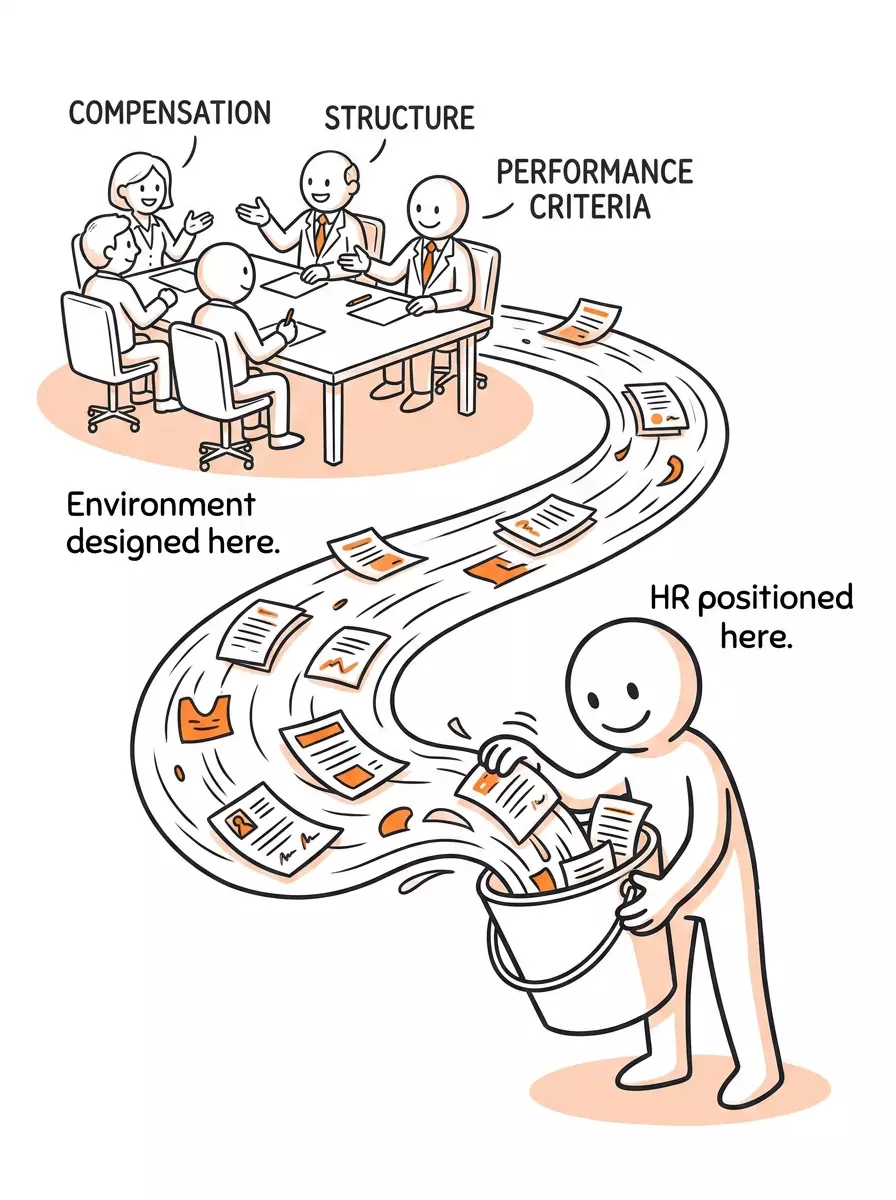
HR owns the performance systems, the compensation architecture, and the organizational structure — the three levers that determine what behavior your environment actually selects for. In most organizations, HR is executing decisions made in rooms it wasn’t in. The compensation structure was designed by Finance. The performance criteria were set by functional leaders. The org structure was decided in a reorg meeting with the executive team. HR processed the outputs. That’s not a failure of HR as a function — it’s a failure of organizational design. The environment design question — what behavior are our incentive structures actually selecting for? — belongs at the intersection of HR, Finance, and Strategy. Nobody owns that intersection. Until someone does, the environment will keep designing itself. And it will keep producing exactly the outcomes it was designed to produce.
Read More »
The Process Owns the Requirement

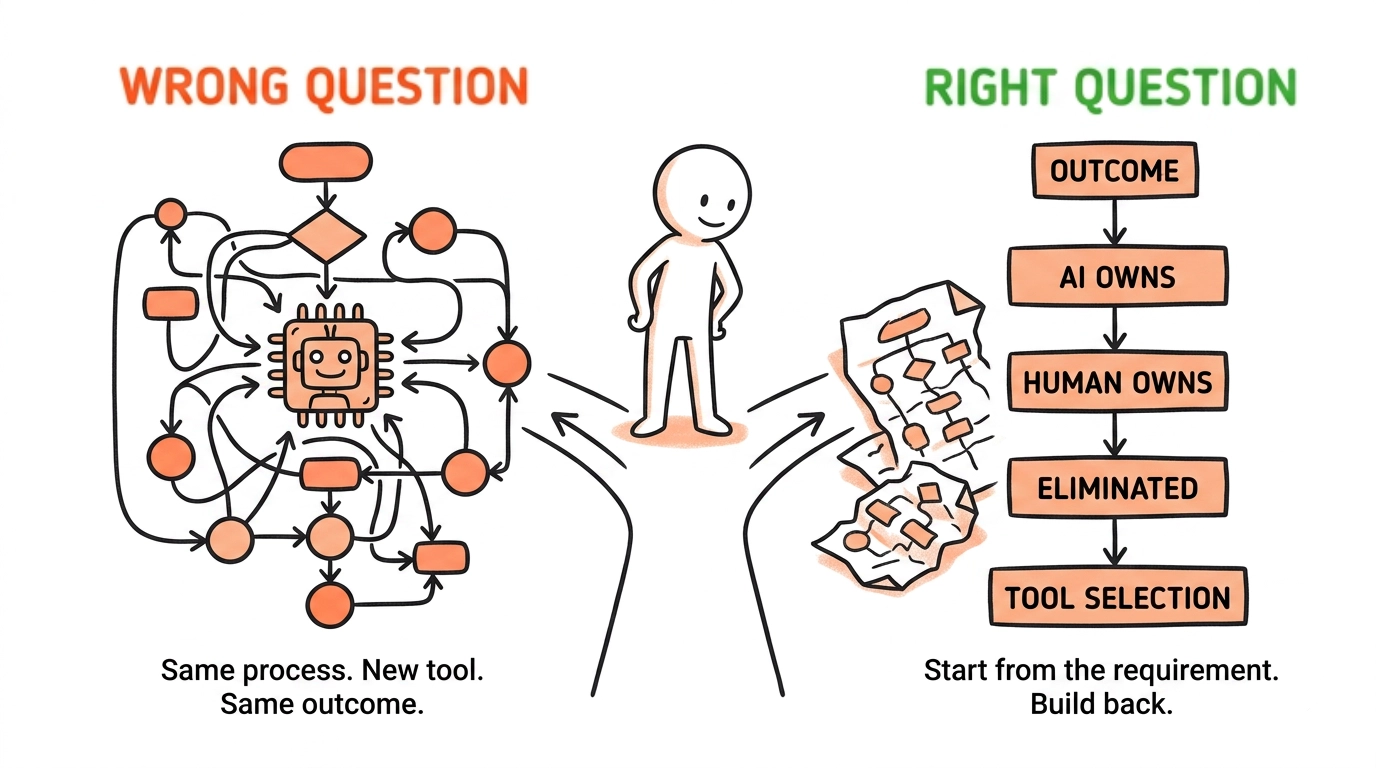
Most organizations ask the wrong question before deploying AI: “How do we make our current process work with this new tool?” It sounds responsible. It guarantees a disappointing result. The question assumes the existing process is correct — that the tool’s job is to slot in around it. But processes designed around decades-old constraints don’t become optimal just because they survived this long. That’s the Lindy Trap: longevity as false proof of fitness. The right question starts from the requirement, not the process. What does this need to accomplish — and given everything available today, what’s the best way to accomplish it? That question produces genuine redesign. And genuine redesign requires three categories of decision most implementations never reach: what AI should own entirely, what should stay human, and what should be eliminated.

Read More »
Nobody’s Organized. And It Doesn’t Matter Anymore

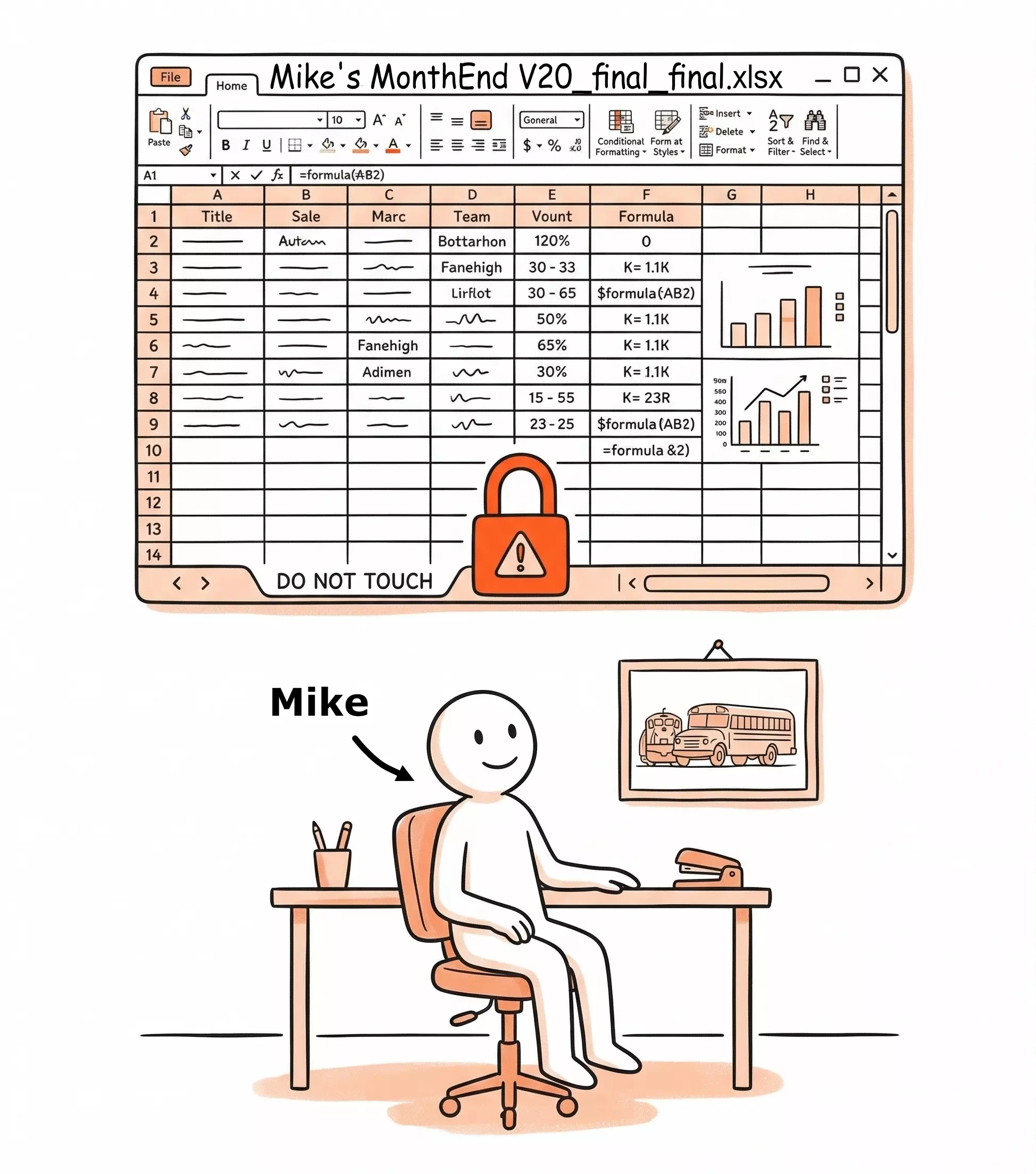
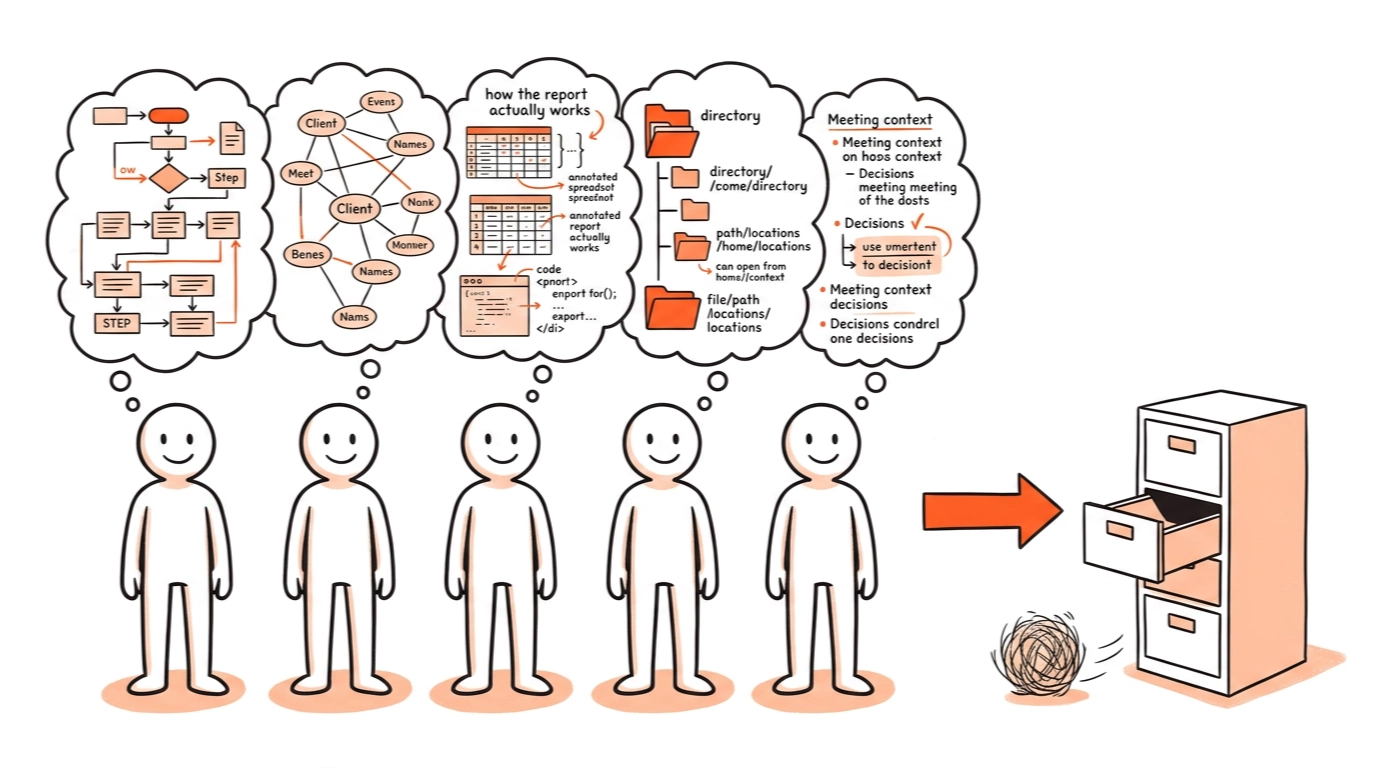
Everyone talks about architecture. Let’s call it what it is: being organized — and nobody is. Knowledge lives in people’s heads, not in systems. When someone leaves, the knowledge leaves with them. For decades, that was a survivable cost. Now AI needs organized knowledge to function, and the gap that was invisible just became the most expensive problem in the building. But here’s the flip: the same technology that exposed the gap is the first that can close it — without requiring anyone to change. Documentation is becoming a byproduct of the work itself. And the organizations that figure this out won’t just be more efficient. They’ll be legible to themselves for the first time.

Read More »
Coordinated Dysfunction

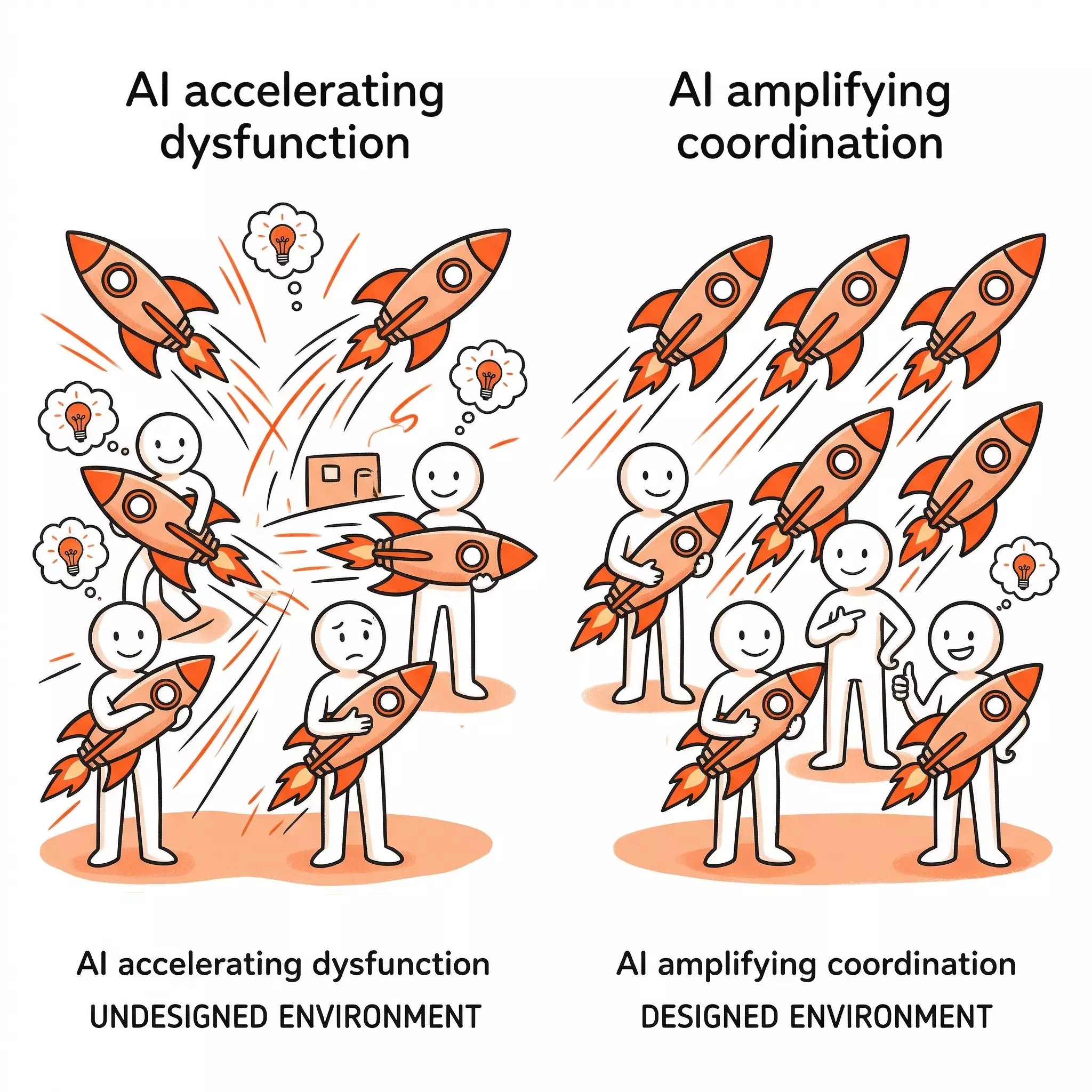
Your teams aren’t misaligned. They’re optimizing perfectly — just not for the same thing. Sales is doing what the commission structure rewards. Finance is doing what the board measures. Both are right. That’s the problem. Coordinated Dysfunction is what happens when multiple well-functioning local optimization systems operate inside a larger system that was never designed to align them. It’s not chaos — chaos would be easier to diagnose. It’s rational behavior producing irrational outcomes at the system level. And AI doesn’t fix it. AI accelerates it — giving each misaligned function a faster engine pointed in a different direction. The organizations pulling ahead right now aren’t the ones with the best tools. They’re the ones that designed the environment before deploying them.

Read More »
The Last Checkpoint

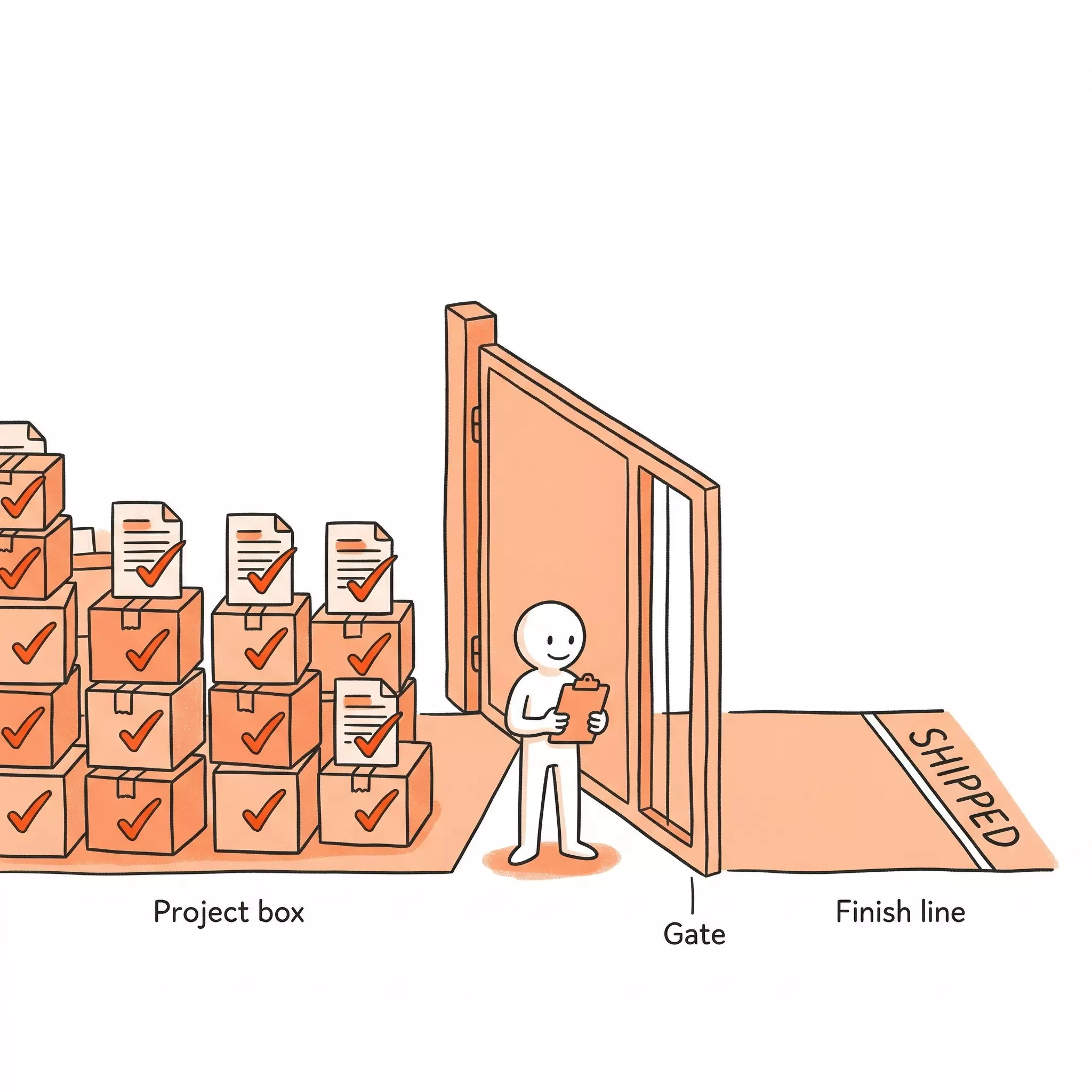
Every initiative that dies, dies at the same place. Not the budget. Not the board. One person. And your org chart won’t tell you who it is.

Read More »